P001Cong WangTime, Livedproject0002
Time, Lived
Time, Lived: Cong Wang’s MA Social Design graduation project at Design Academy Eindhoven, 2026.
P002Emanuele Borriello(M)other Waterproject0003
(M)other Water
(M)other Water: Emanuele Borriello’s MA Social Design graduation project at Design Academy Eindhoven, 2026.
P003Jiwon HyunJUNG ONE: The Gardenproject0004
JUNG ONE: The Garden
JUNG ONE: The Garden: Jiwon Hyun’s MA Social Design graduation project at Design Academy Eindhoven, 2026.
P004Julian AllgöwerBeyond Listeningproject0005
Beyond Listening
Beyond Listening: Julian Allgöwer’s MA Social Design graduation project at Design Academy Eindhoven, 2026.
P005Kai RasmussenYou Met Me At A Very Chinese Time In My Lifeproject0006
You Met Me At A Very Chinese Time In My Life
You Met Me At A Very Chinese Time In My Life: Kai Rasmussen’s MA Social Design graduation project at Design Academy Eindhoven, 2026.
P006Madelon LordereauEverything but School Schoolproject0007
Everything but School School
Everything but School School: Madelon Lordereau’s MA Social Design graduation project at Design Academy Eindhoven, 2026.
P007Marta Costa MachadoSharpening Itineraries of Trustproject0008
Sharpening Itineraries of Trust
Sharpening Itineraries of Trust: Marta Costa Machado’s MA Social Design graduation project at Design Academy Eindhoven, 2026.
P008Pin ChuHi, Daddyproject0009
P009Sandra Saffira DesitasariThe Last Elevationproject0010
The Last Elevation
The Last Elevation: Sandra Saffira Desitasari’s MA Social Design graduation project at Design Academy Eindhoven, 2026.
P010Saskia HartogPersonal Devicesproject0011
Personal Devices
Personal Devices: Saskia Hartog’s MA Social Design graduation project at Design Academy Eindhoven, 2026.
P011Silvana Araoz-FraserSensing-Thinking the WEproject0012
Sensing-Thinking the WE
Sensing-Thinking the WE: Silvana Araoz-Fraser’s MA Social Design graduation project at Design Academy Eindhoven, 2026.
P012Simone VollmaryRadical Careproject0013
Radical Care
Radical Care: Simone Vollmary’s MA Social Design graduation project at Design Academy Eindhoven, 2026.
P013Sonia JaśkiewiczUnion of the Tiredproject0014
Union of the Tired
Union of the Tired: Sonia Jaśkiewicz’s MA Social Design graduation project at Design Academy Eindhoven, 2026.
P014Tana JeicRemembering Handsproject0015
Tana works at the intersection of social design, visual communication and engaged artistic practice attaching great importance to social issues, process-oriented practice, design research, craft, play, and collaboration.
Thesis: Telling Threads
Remembering Hands
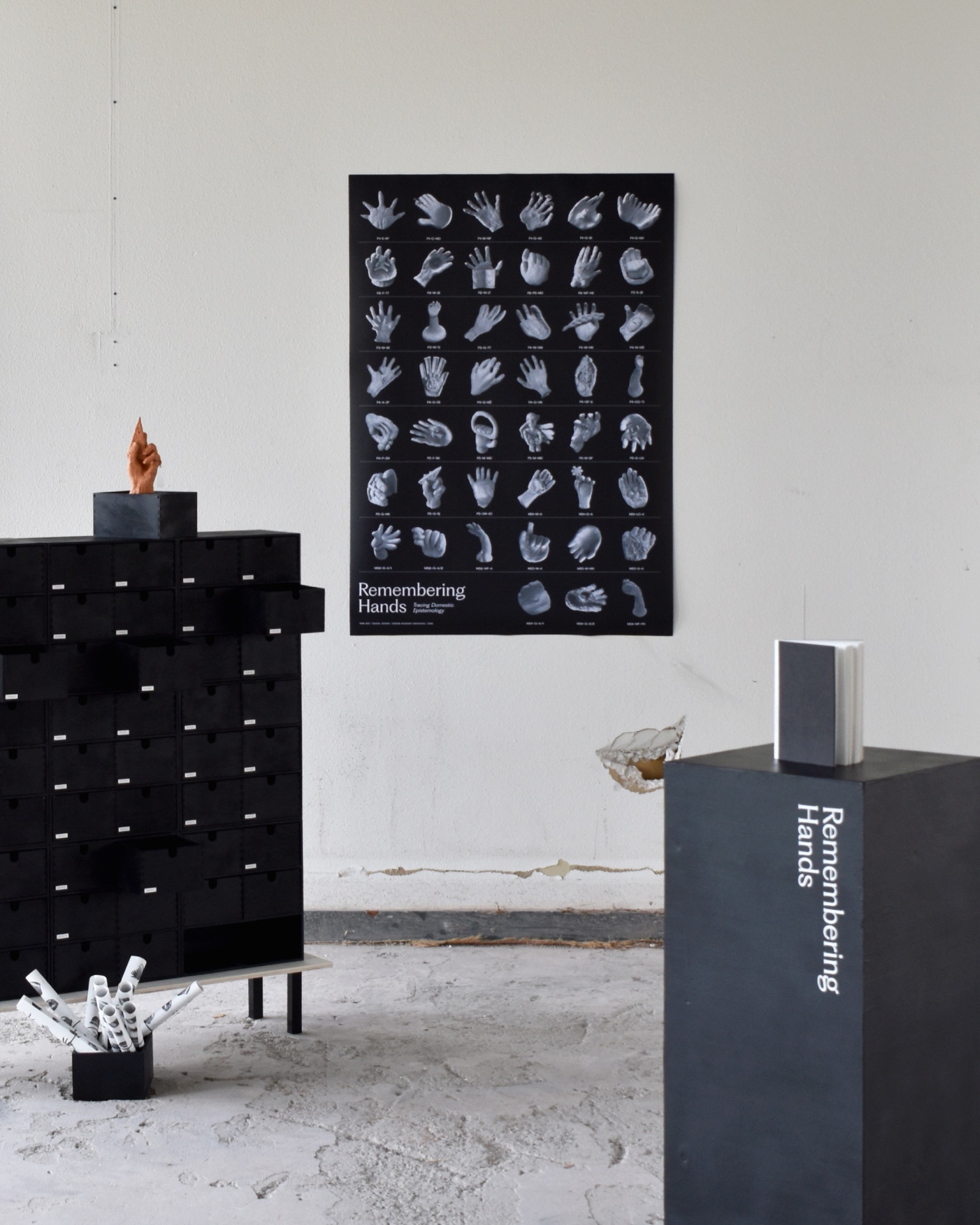
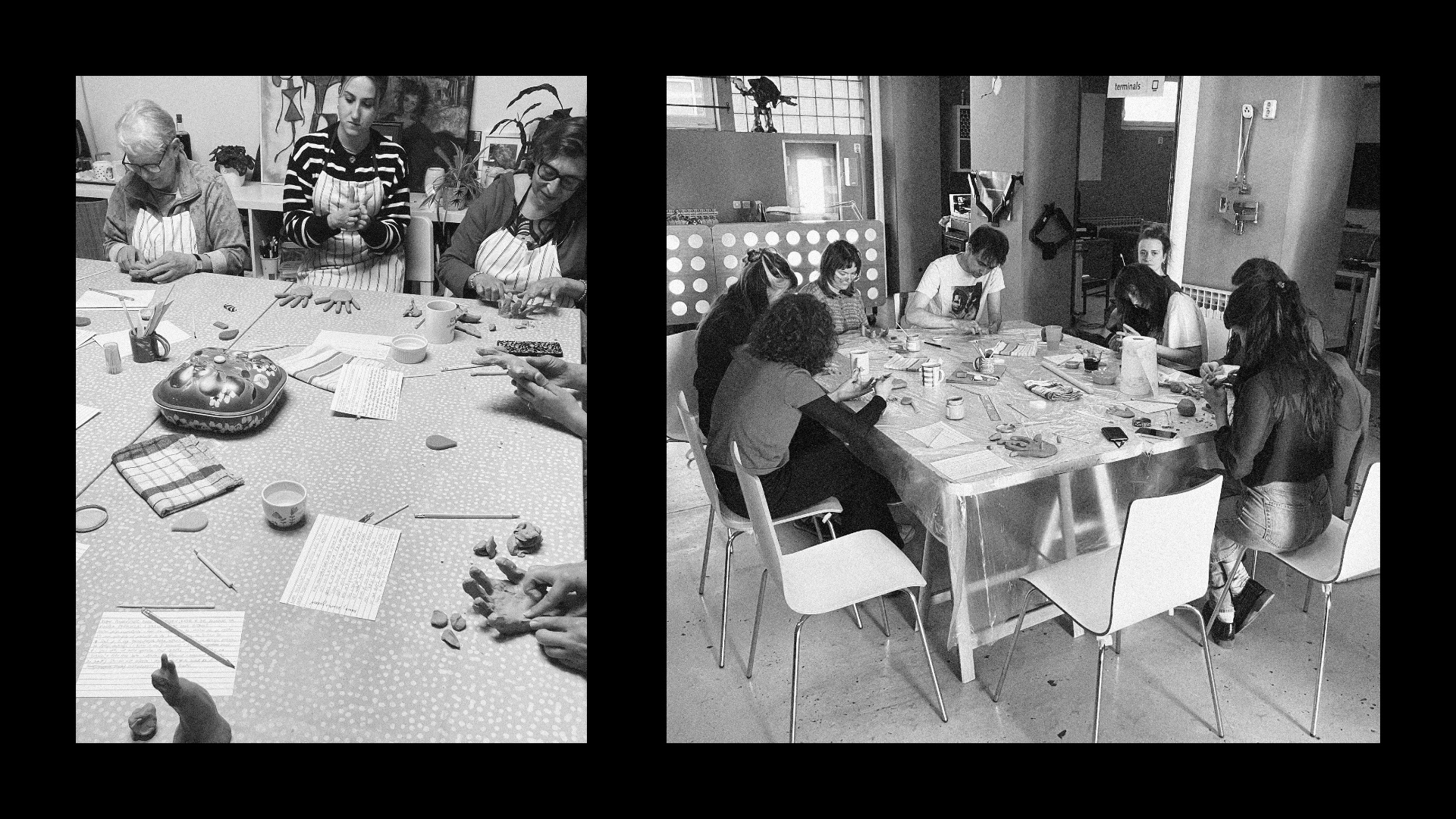
Remembering Hands is an art project and an immersive archive created in response to systematic erasure of women’s labor and knowledge (emotional, intellectual, creative, and physical) from institutional history. While essential to the fabric of society, domestic labor is frequently left invisible and undervalued in official records. This project serves not just as an alternative archive, but as a mnemonic protest — a direct resistance against forgetting. It challenges viewers to reconsider what we define as history and tradition when certain voices are routinely left out of them. Through multiple workshops, in collaboration with different institutions, participants wrote their memories of women whose knowledge was passed down to them inside the domestic space. Based on these stories they sculpted clay hands to commemorate women whose domestic work and wisdom shaped their lives.
from personal to collective
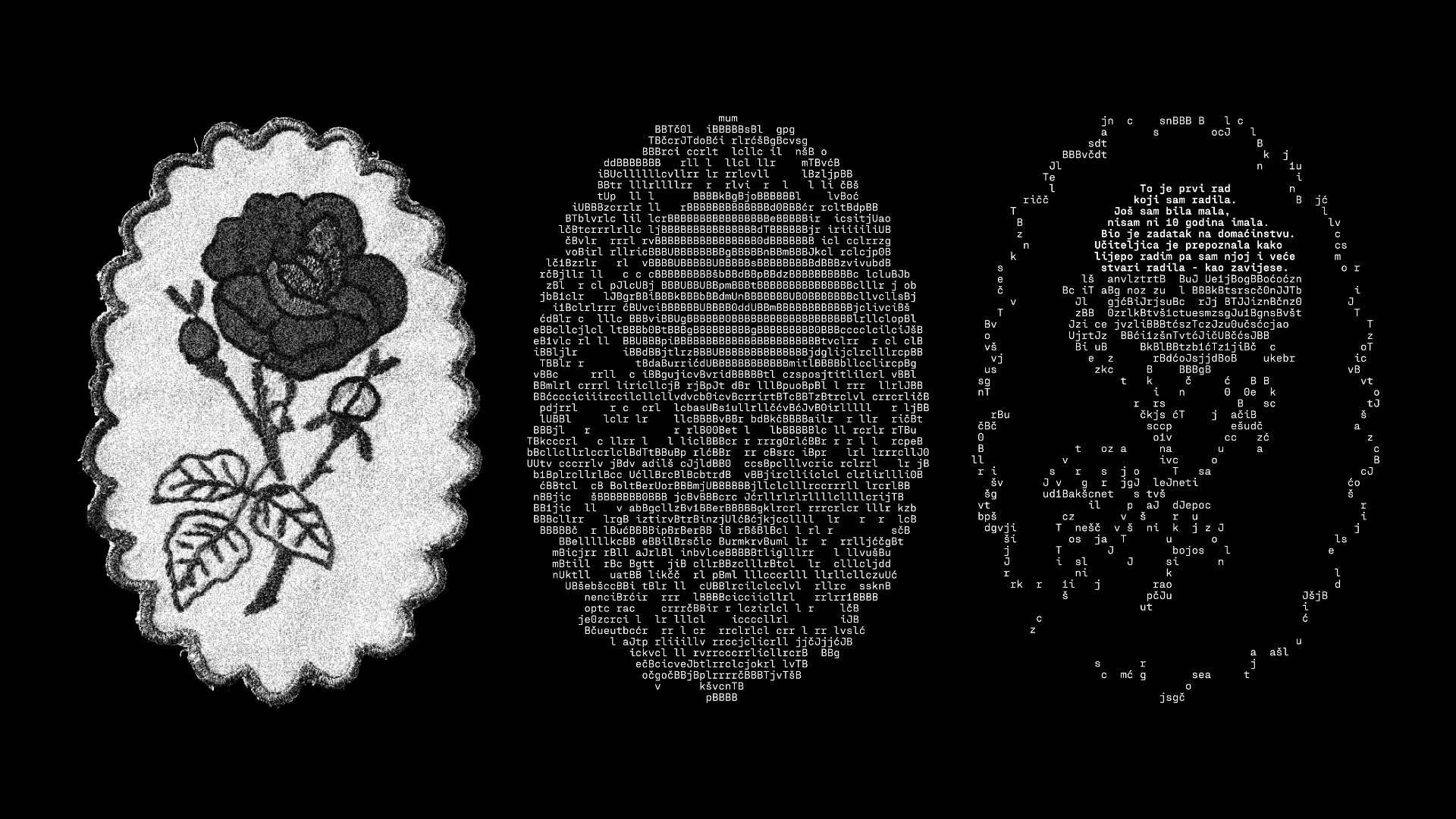
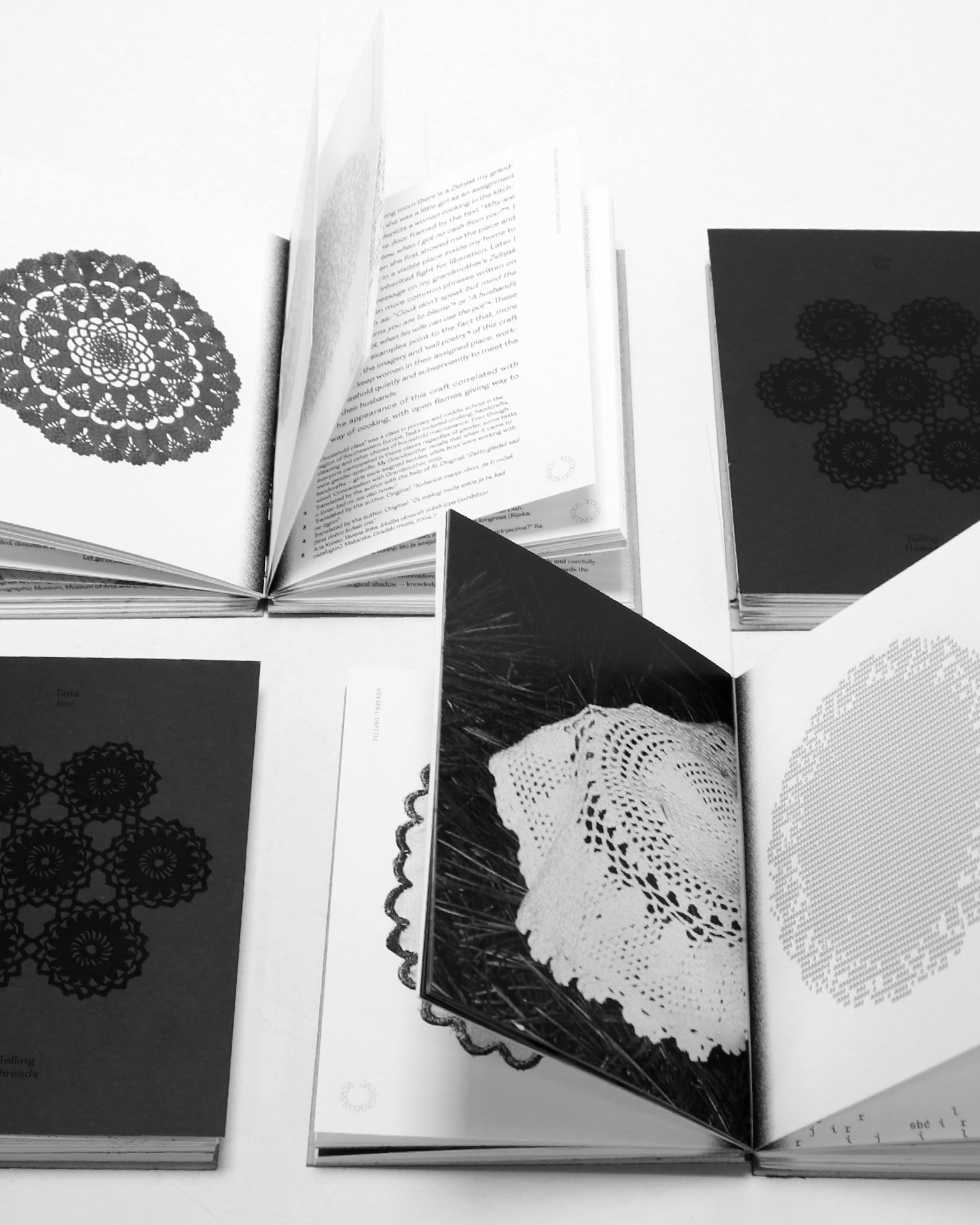
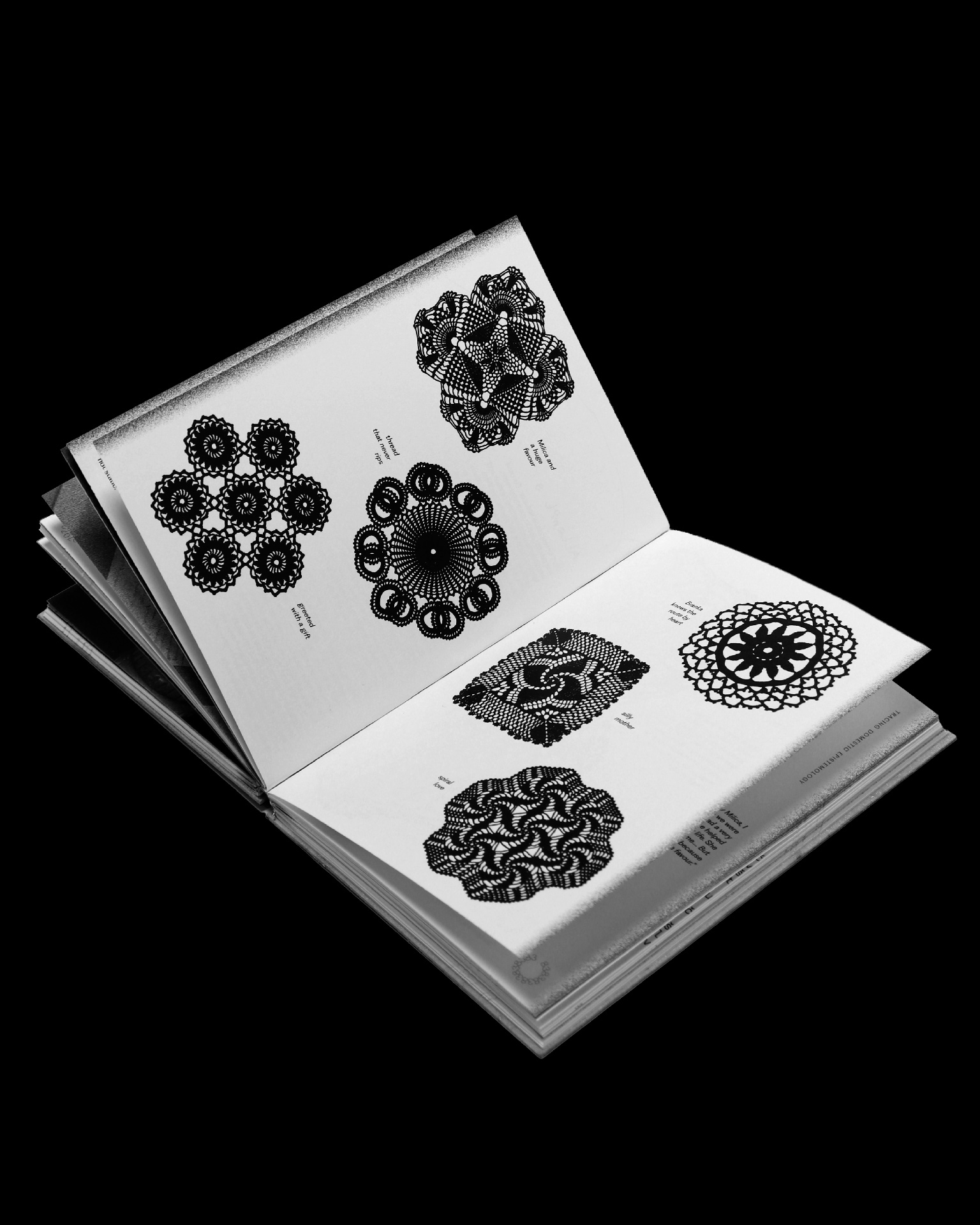
The research began by archiving my grandmother’s family collection of textile handcrafts, with an emphasis on documenting knowledge that institutions rarely recognize. Through intimate conversations and working with textile materials, I explored how handcrafts can “hold” memory. From this emerged the idea of creating a collective database of materialized memories that immortalizes women’s domestic labor. Mentioned repeatedly in conversations with my grandmother, the practice of Prelo (collective crafting and labor inside households) inspired the choice of workshop as a format for building the archive.
building an archive
Inspired by craft as carrier of memory, and Balkan practice of Prelo workshop was chosen as a way to build this alternative archive. Some workshops were held with friends in domestic spaces, while some were held with general public in collaboration with multiple institutions in Zagreb (MaMa Multimedia Institute, Centar Pažnje and Women's Antifascist Network of Zagreb).
archival code
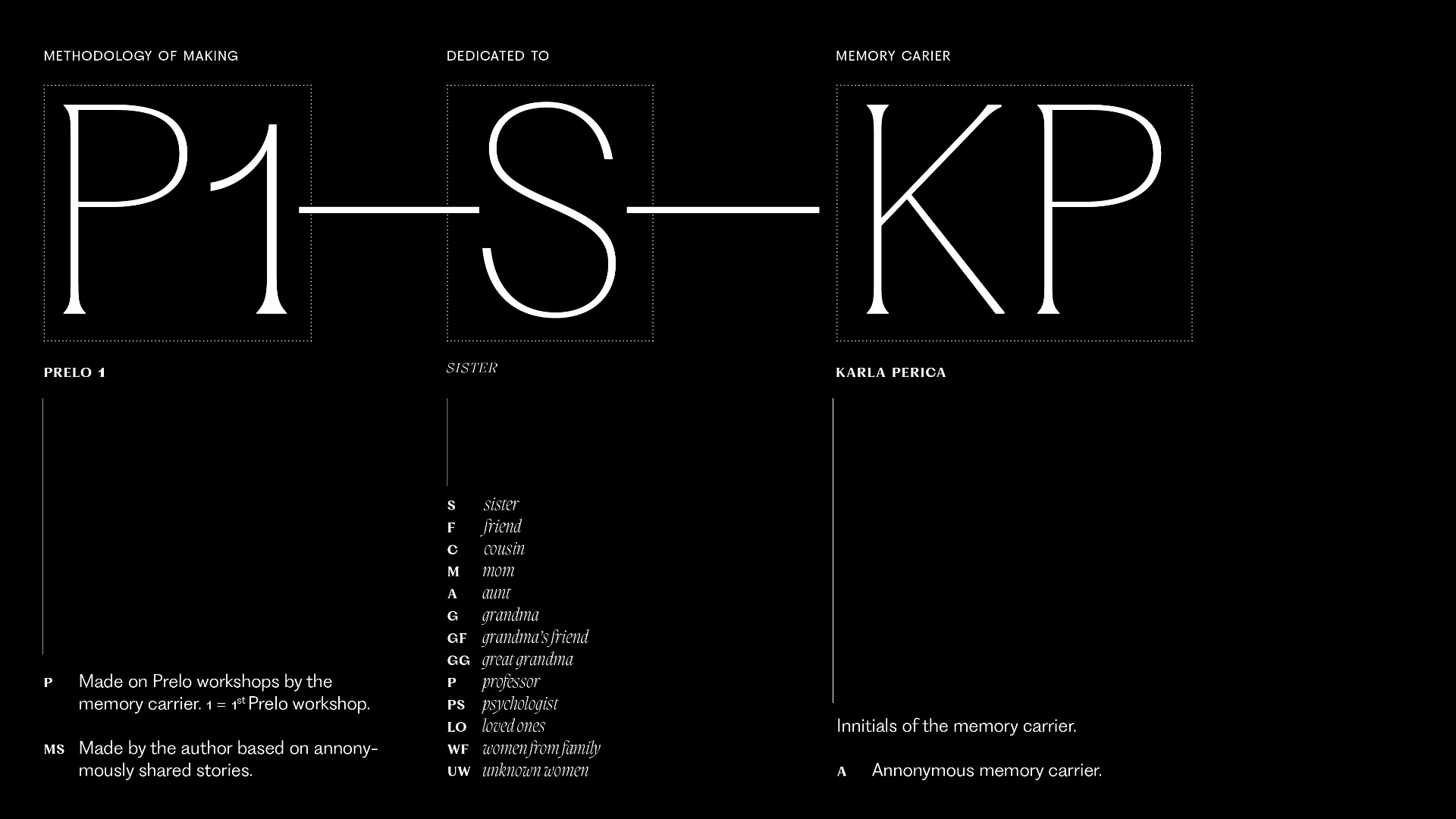
The key to systematizing this archive, which allows for easier cross-linking of its elements (clay sculptures, catalog, poster, stories), is a specific archival code. Beyond the workshop and the author’s initials, this code also communicates the relationship between the creator and the person to whom the sculpture is dedicated. In doing so, it aims to highlight relationality as an essential segment of domestic epistemology and address the failure of dominant historiographical methods to account for the social context of objects.
sculpted stories
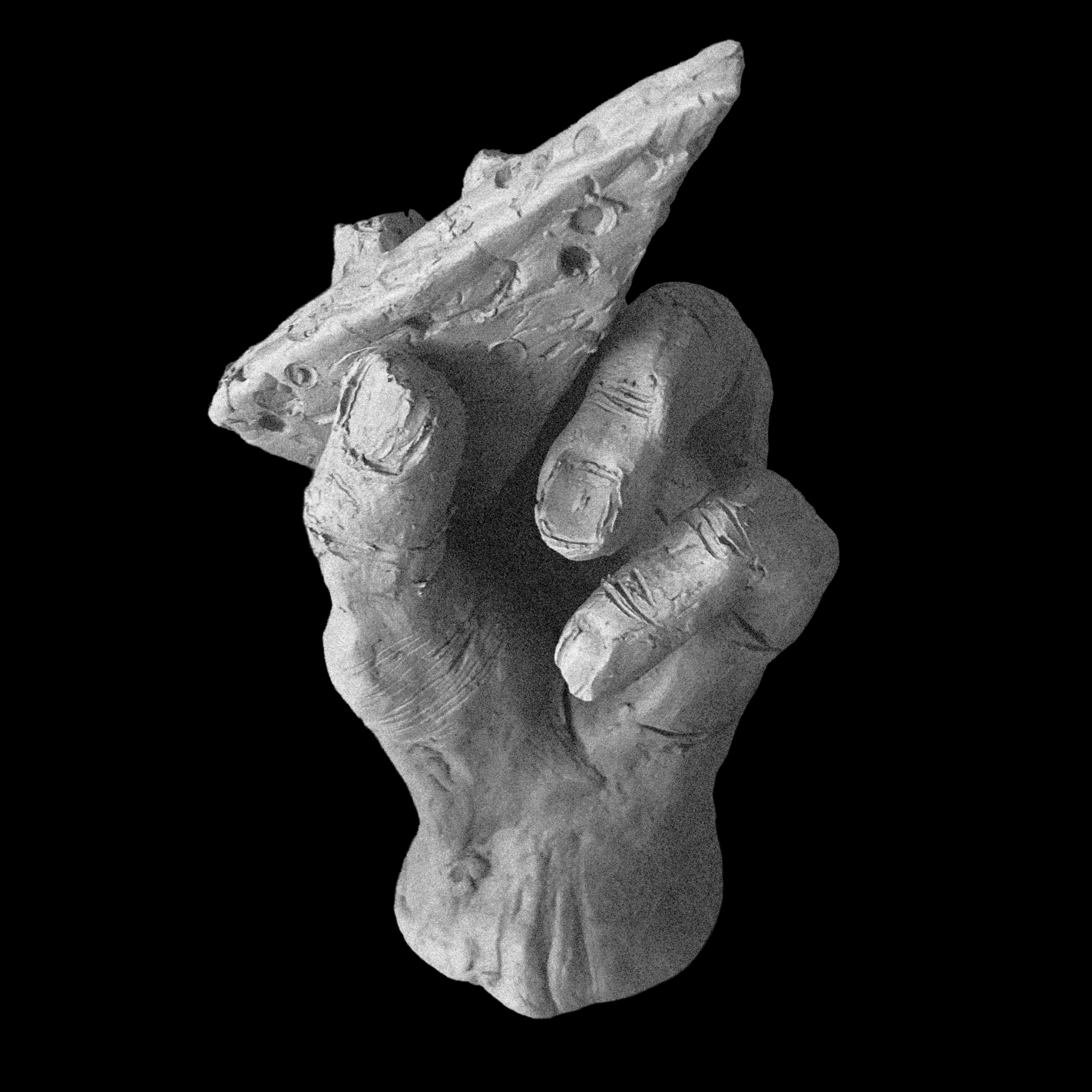
P5-G-SJ
I dedicate this sculpture to my late grandma (‘baba’) Milka. The only memories I have of her are a broom (I assume I don’t need to explain), collecting bottles, and hard, salty cheese. In a society where people are ashamed of “lower jobs,” she survived on a pension of a few hundred kunas – barely enough for food, not enough for a normal life. I remember how modestly, with her calm, rough hands and a smile on her face, she would collect bottles (that was her “hobby”). From the money she gathered, she managed once a week to set aside a few kunas to buy her and me a triangle of our favorite salty cheese. Every day, she would give us each one tiny, thin slice. Although at the time it seemed like very little and I wanted more, it taught me modesty, patience, and boundaries. She taught me not to be ashamed of any kind of work, that nothing done honestly is shameful, that small things have value, and that love can be shown through small things, details, and consistency – not just through abundance.
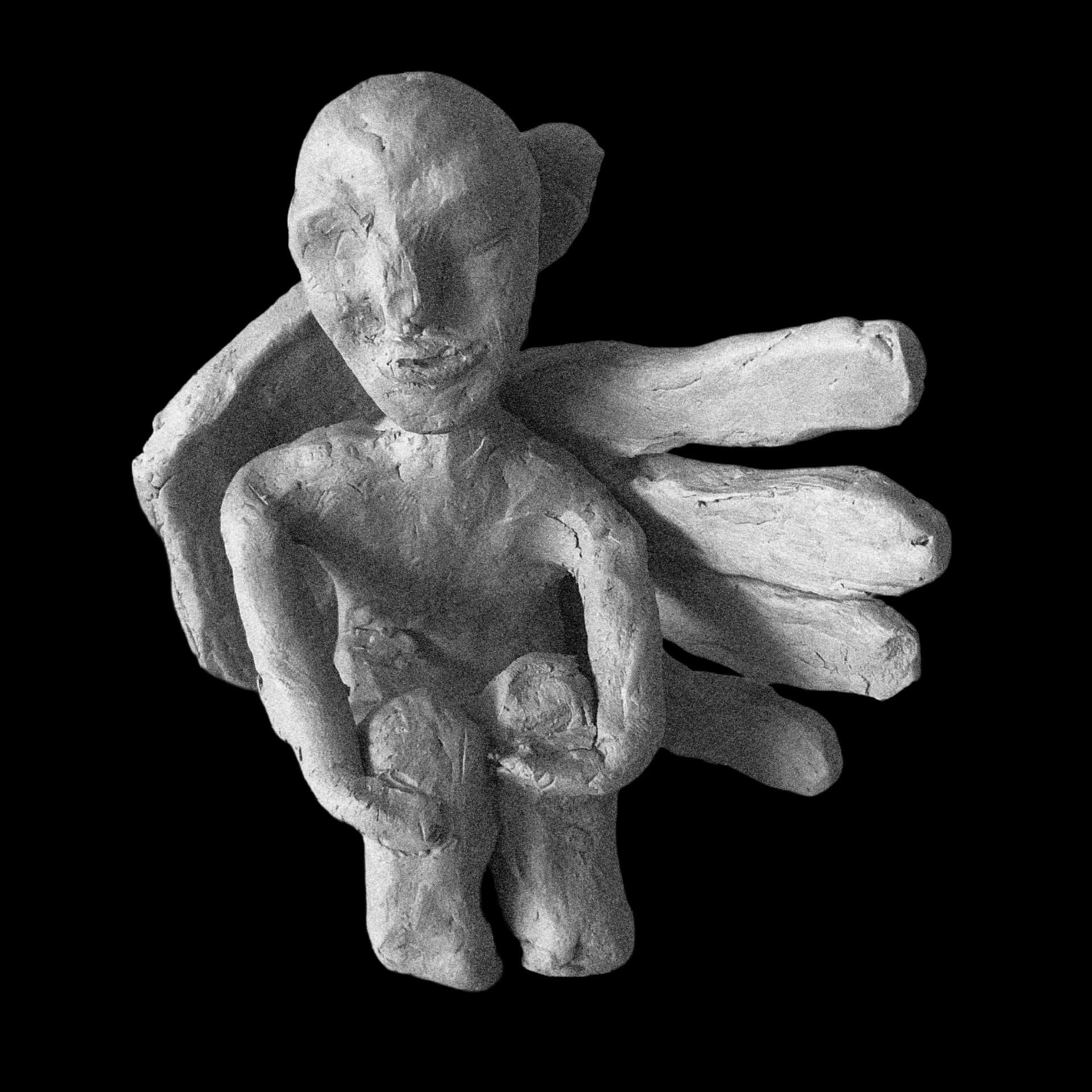
P5-M-MĐ
I dedicate this sculpture to Mom because she works with clay herself, handling it very gently and with great devotion, just as she does with her children.
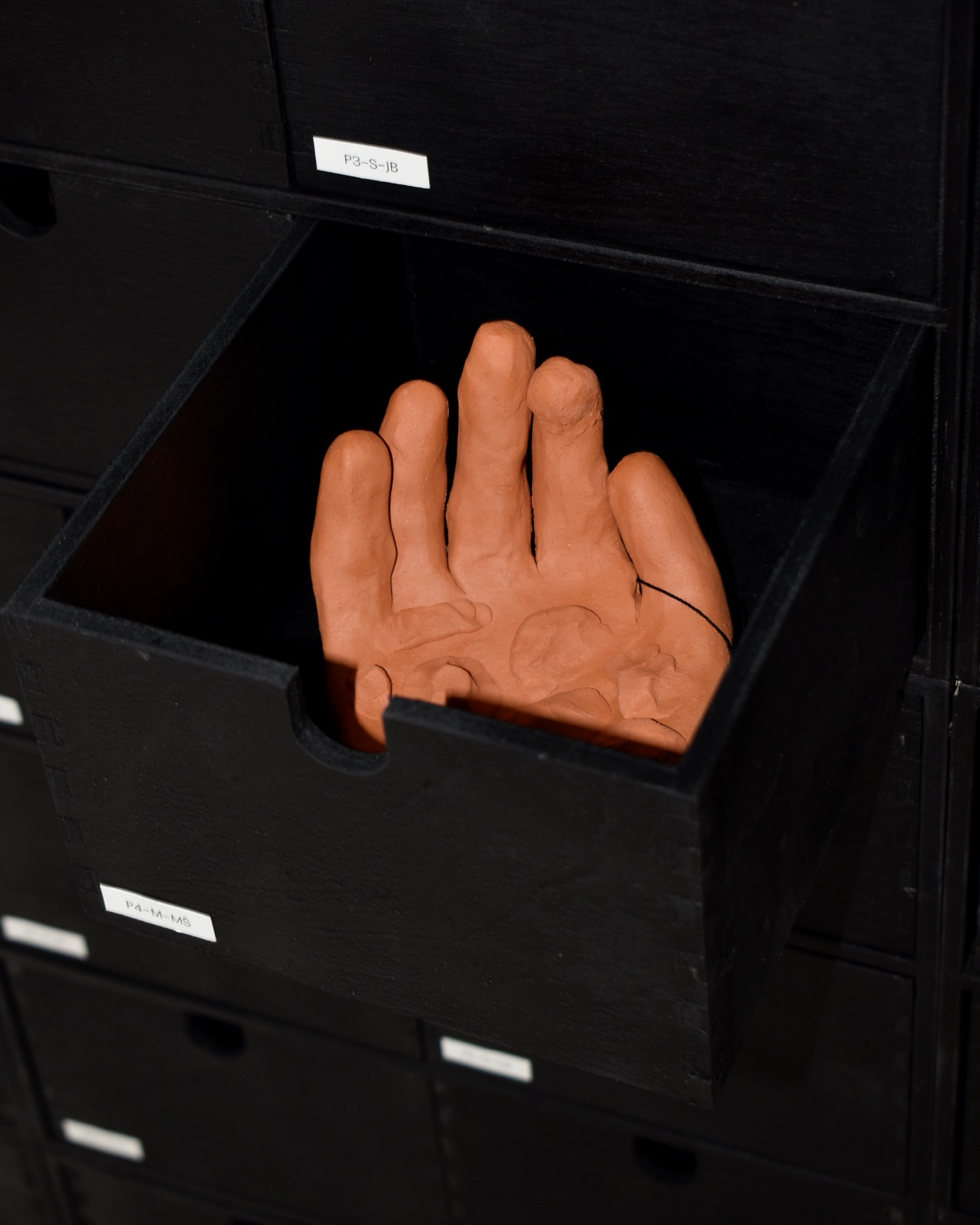
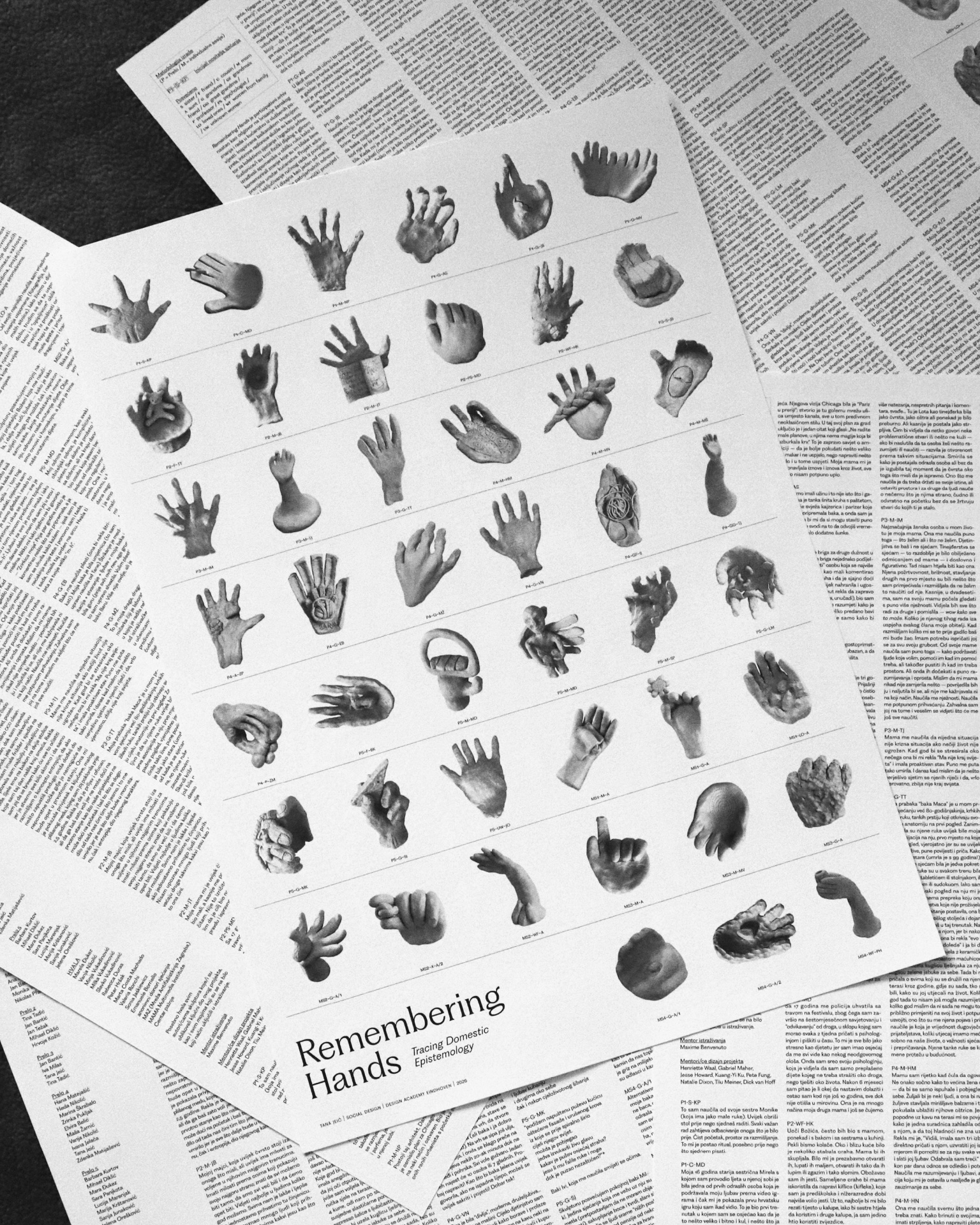
Credits: Sculptors: Karla Perica, Mihael Diklić, Ana Stakor, Jan Bantić, Monika Vodopija, Nikolas Pfanner, Tina Tadić, Jan Težak, Hrvoje Kožić, Iva Milas, Tana Jeić, Hana Matejašić, Heda Nikolić, Marina Škrabalo, Zrinka Pukljak, Elvira Belić, Maša Žarnić, Vanja Nikolić, Ivana Jelača, Zdenka Matijašević, Barbara Kurtov, Mara Đukez, Sara Panjkota, Lucija Marenjak, Marija Krstanović, Sanja Junaković, Jelena Orešković. Thanks to friends, family and acquaintances who helped, participated and inspired. <3
P015Valentina CeminBefore the Snow Melts: 100 Days After the 2026 Winter Olympicsproject0018
Before the Snow Melts: 100 Days After the 2026 Winter Olympics
Before the Snow Melts: 100 Days After the 2026 Winter Olympics: Valentina Cemin’s MA Social Design graduation project at Design Academy Eindhoven, 2026.
P016Valeria RonchiSex and Surroundingsproject0019
Sex and Surroundings
Sex and Surroundings: Valeria Ronchi’s MA Social Design graduation project at Design Academy Eindhoven, 2026.
P017Vikenė VaitkevičiūtėForest Walker Methodproject0020
Forest Walker Method
Forest Walker Method: Vikenė Vaitkevičiūtė’s MA Social Design graduation project at Design Academy Eindhoven, 2026.
P018Yirang OkBrowser Flatland: Worlds, Words, and the Work of Exploring Maintenanceproject0021
Yirang Ok is a designer, creative coder and researcher working across books, the web, servers and archives. The work starts in the small gaps of systems that look neutral (a shelf order, an index, a keyboard), asks who they leave out, and builds shared tools for another order.
Thesis: World, Words, Work: Archive Sovereignty ↗
Website · withok.krInstagram · @with_ok_Email · contact@withok.kr
Browser Flatland: Worlds, Words, and the Work of Exploring Maintenance
Why do we keep adapting to technology’s rules?
Workshop design and facilitation, and KRthree.js development: Yirang Ok.
Browser Flatland explores the often invisible work that keeps technology usable: learning unfamiliar tools, translating between languages, and adjusting to systems we inherit. Drawing on Yirang Ok’s experience as a Korean web developer, it asks why users are expected to adapt to established technical standards, and how they might gain the agency to question them.
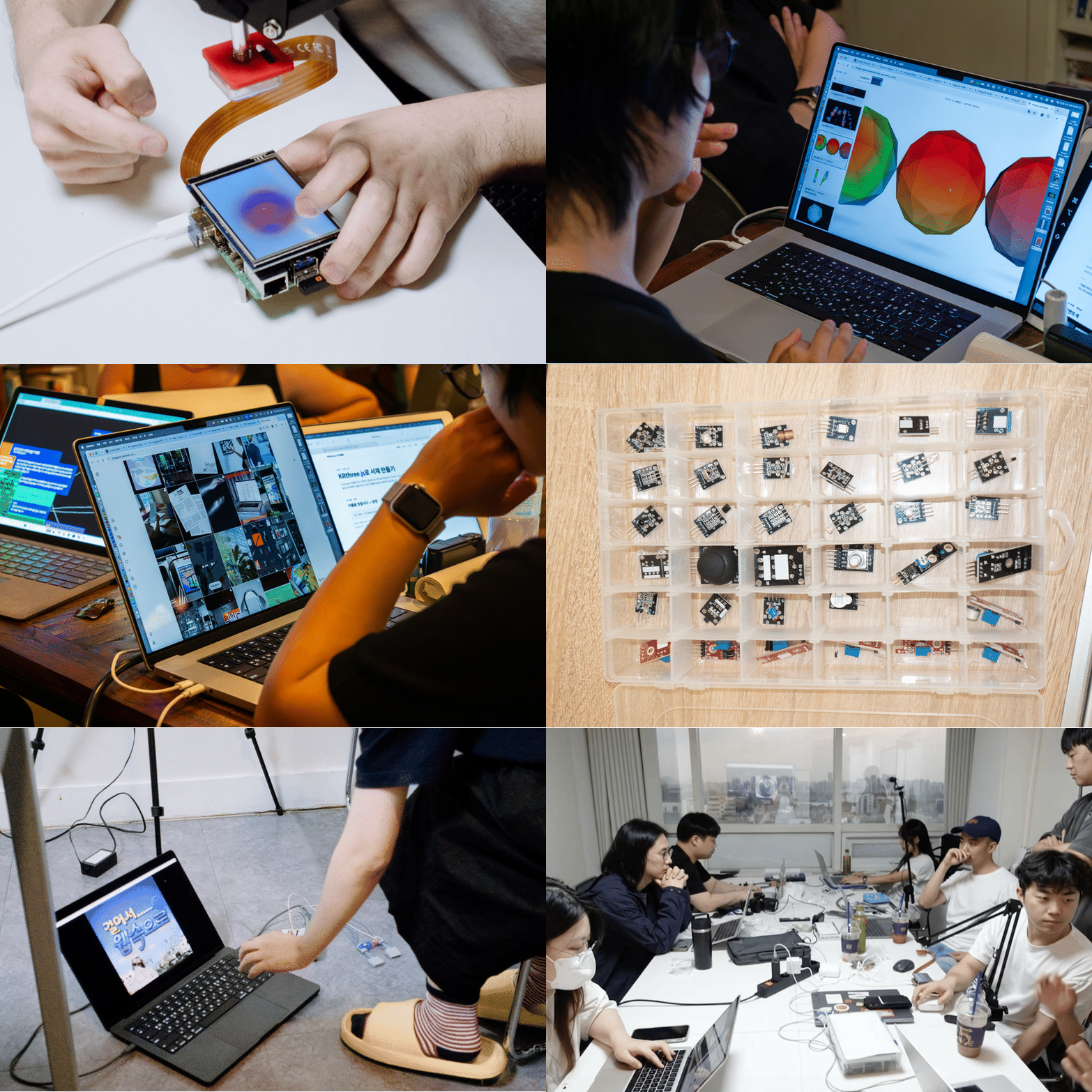
Ok designed two workshops in Korea to explore this question with others. Coding in Korean works with three.js through KRthree.js, a Korean-language layer; No Mouse No Keyboard No Problem removes familiar input devices. Participants experimented, encountered failures, and exchanged ways of working. The videos, code, photographs, and participant projects gathered here trace an ongoing inquiry into how people can question and renegotiate technological conventions together.
Watch Browser Flatland
2026 · 8 min 5 sec
01 — Coding in Korean
What changes when code speaks your language?
At Hup Geumho, seven participants built online 3D libraries using KRthree.js, a Korean-language layer over three.js. Most wrote their first JavaScript here. Across four sessions, they photographed and scanned objects, assembled collections in the browser, and gave each library its own web address.
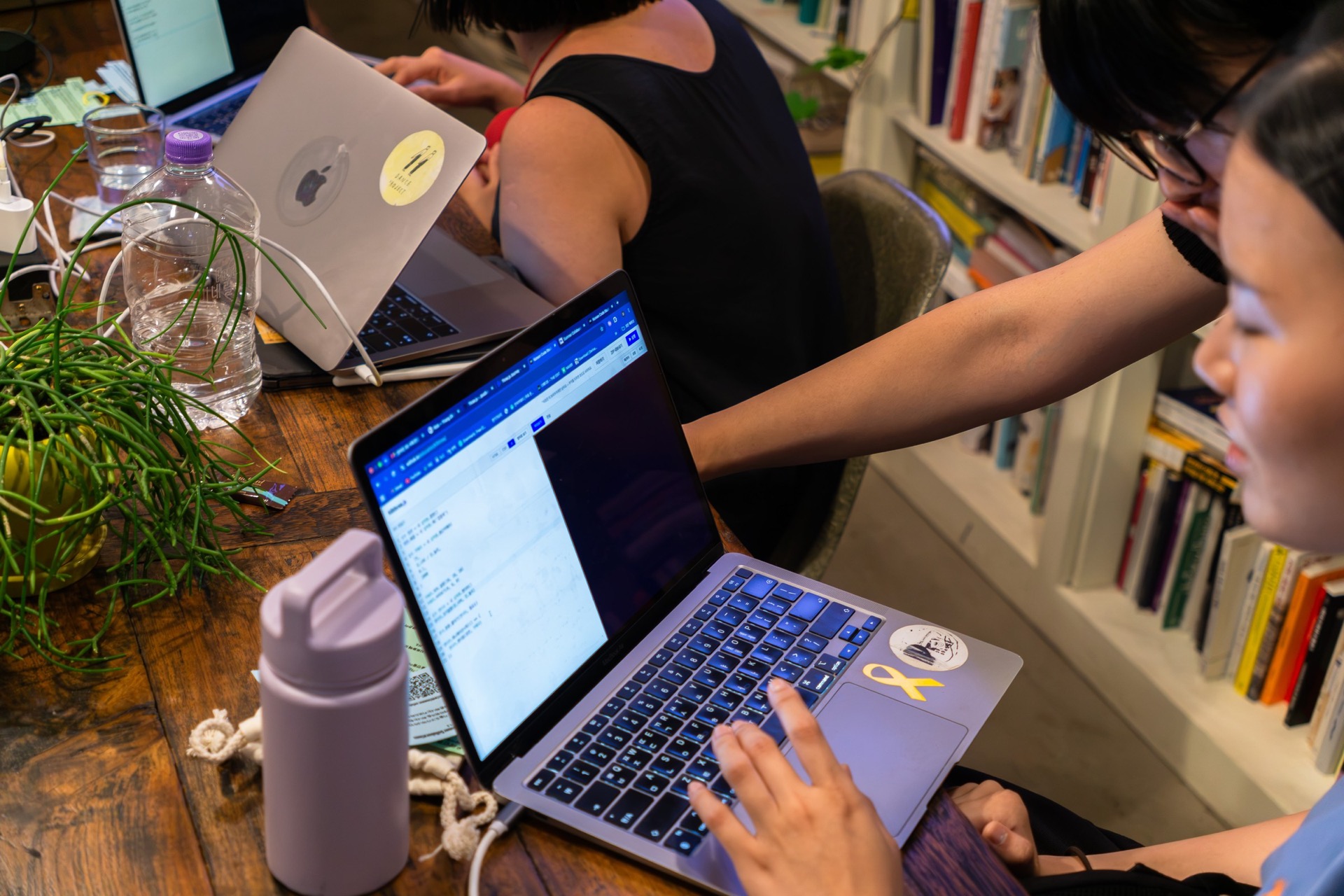
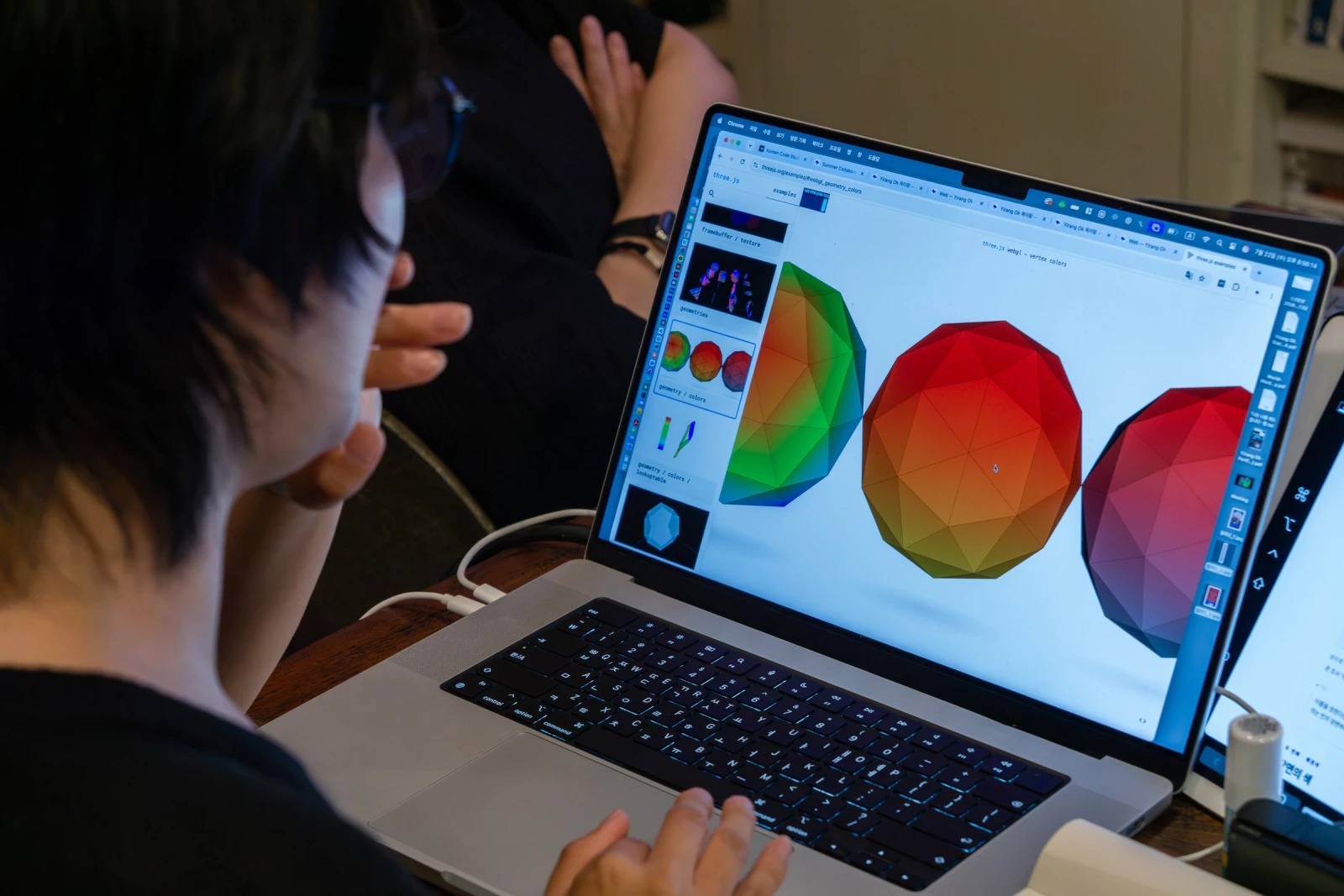
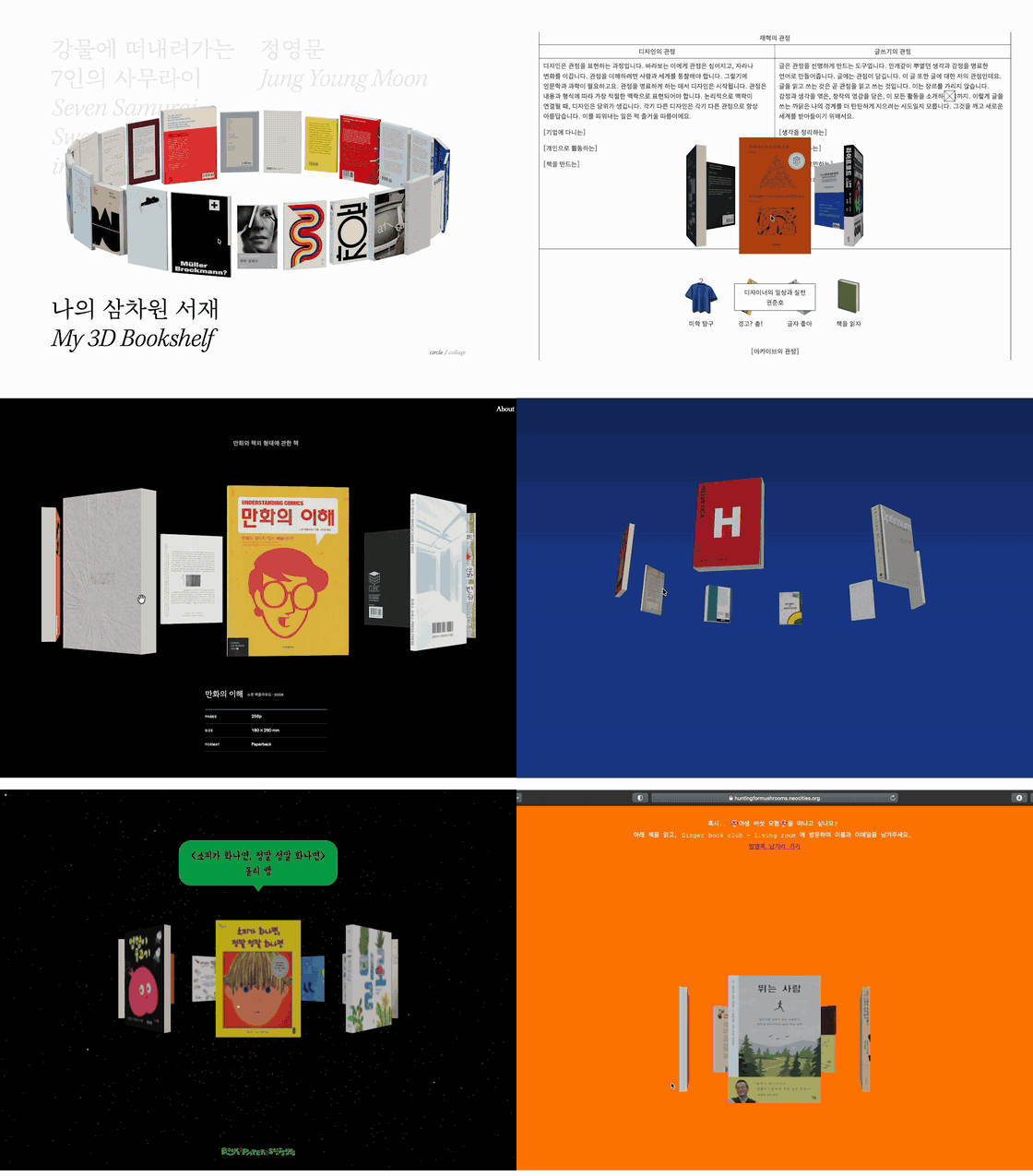
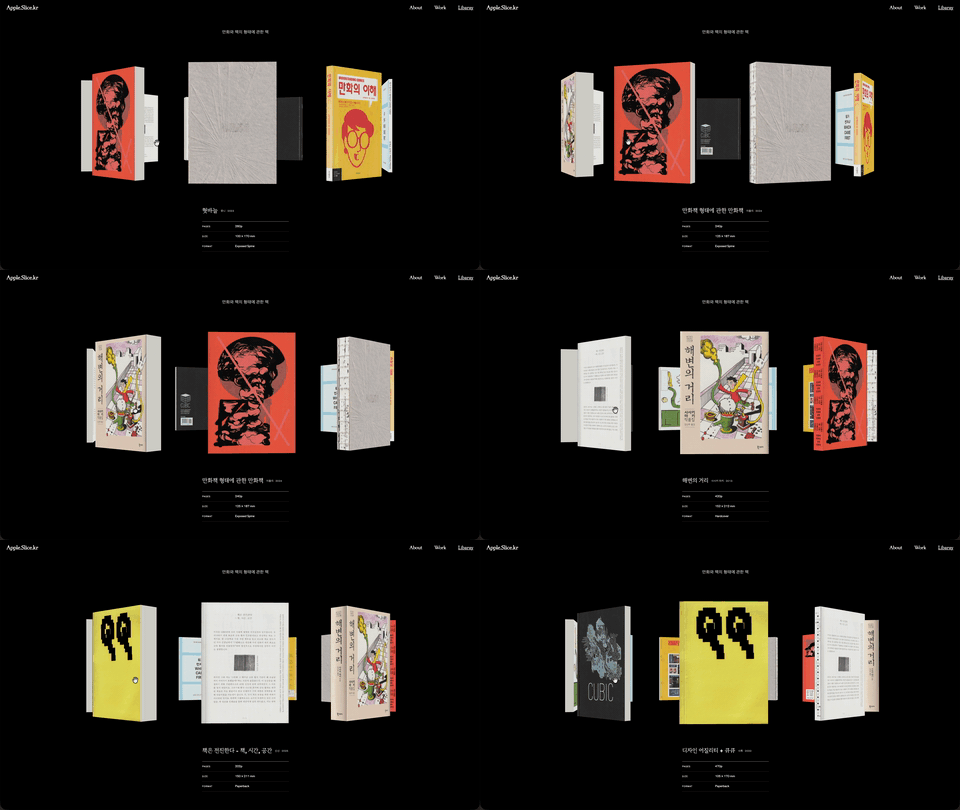
Hup Geumho, Seoul · July–August 2026. Explore the workshop and participants' libraries.
02 — No Mouse No Keyboard No Problem
What happens when the usual controls disappear?
Participants put the keyboard and mouse aside and built eight alternative input tools using sensors, cameras, sound, and foot pads. A throttle scrolled Instagram, several people shared one cursor, and a foot pad was used to browse Pinterest. Each experiment asks who defines a familiar interaction, and who must do the work of adapting to it.
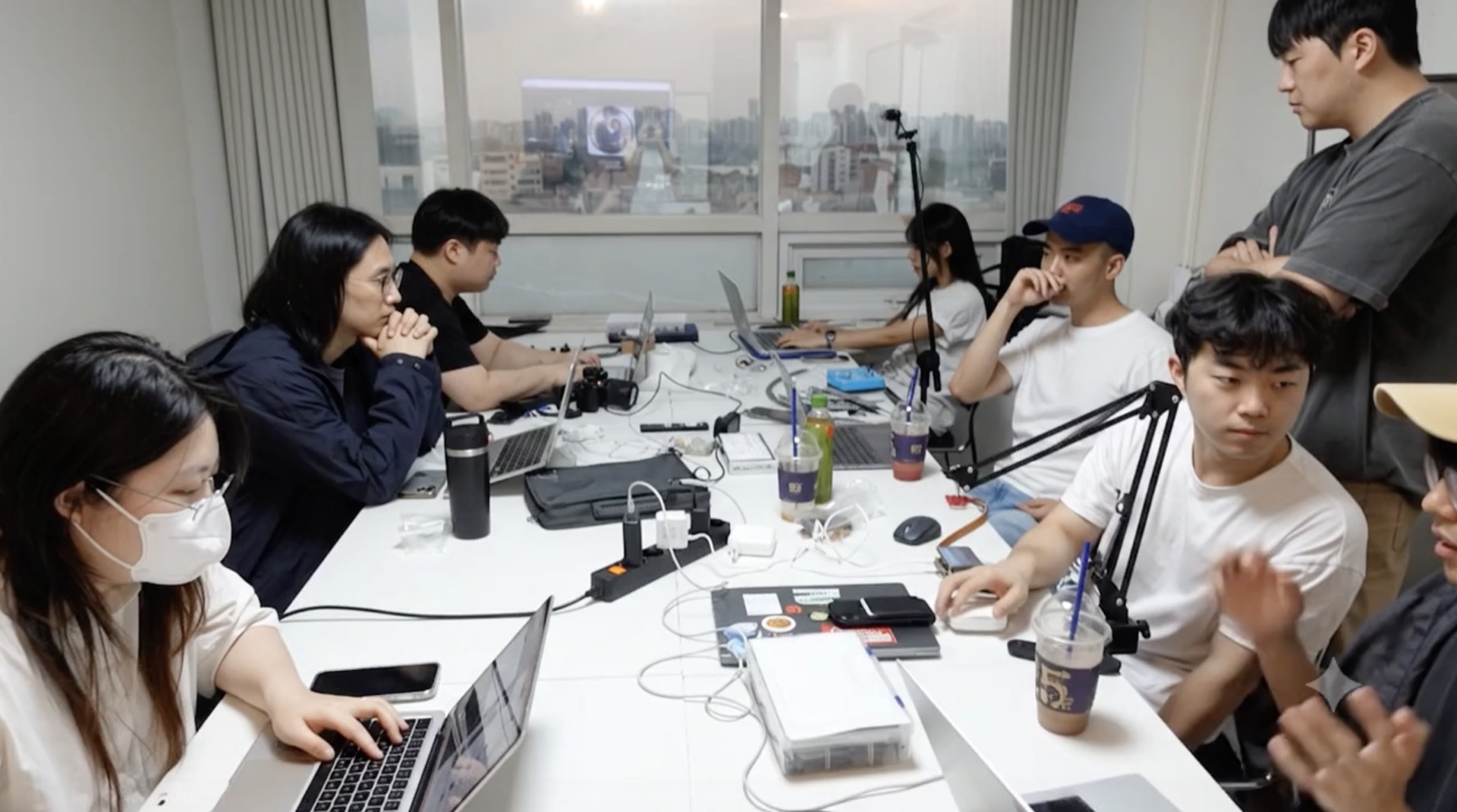
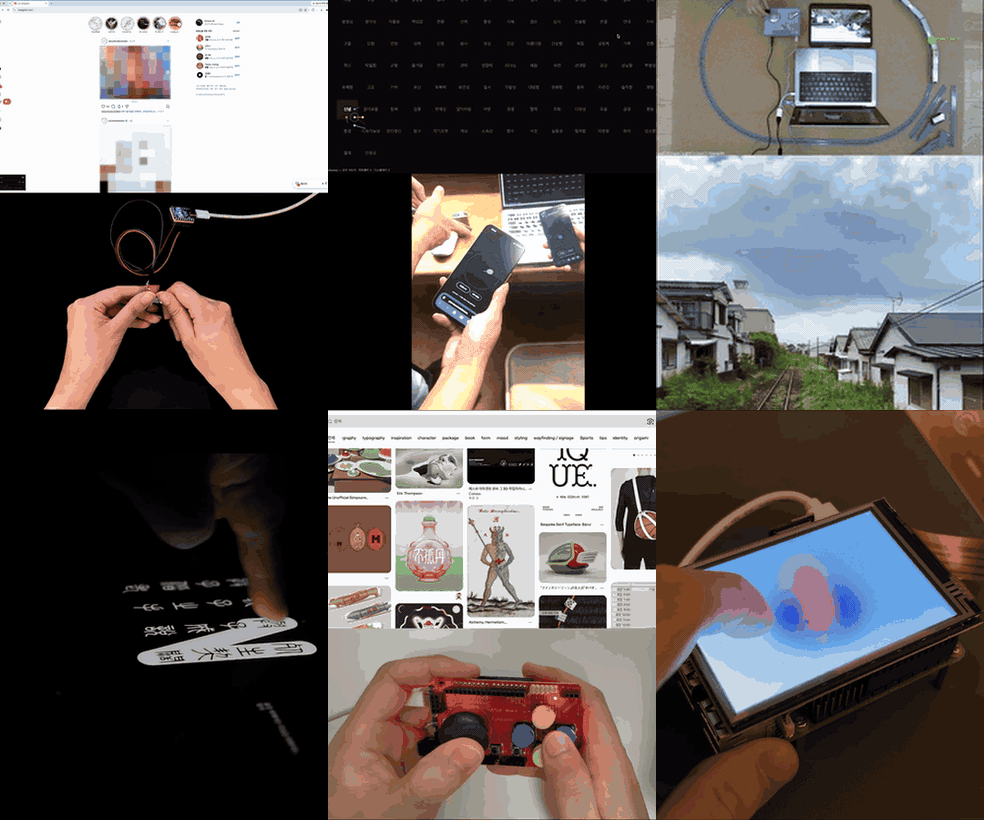
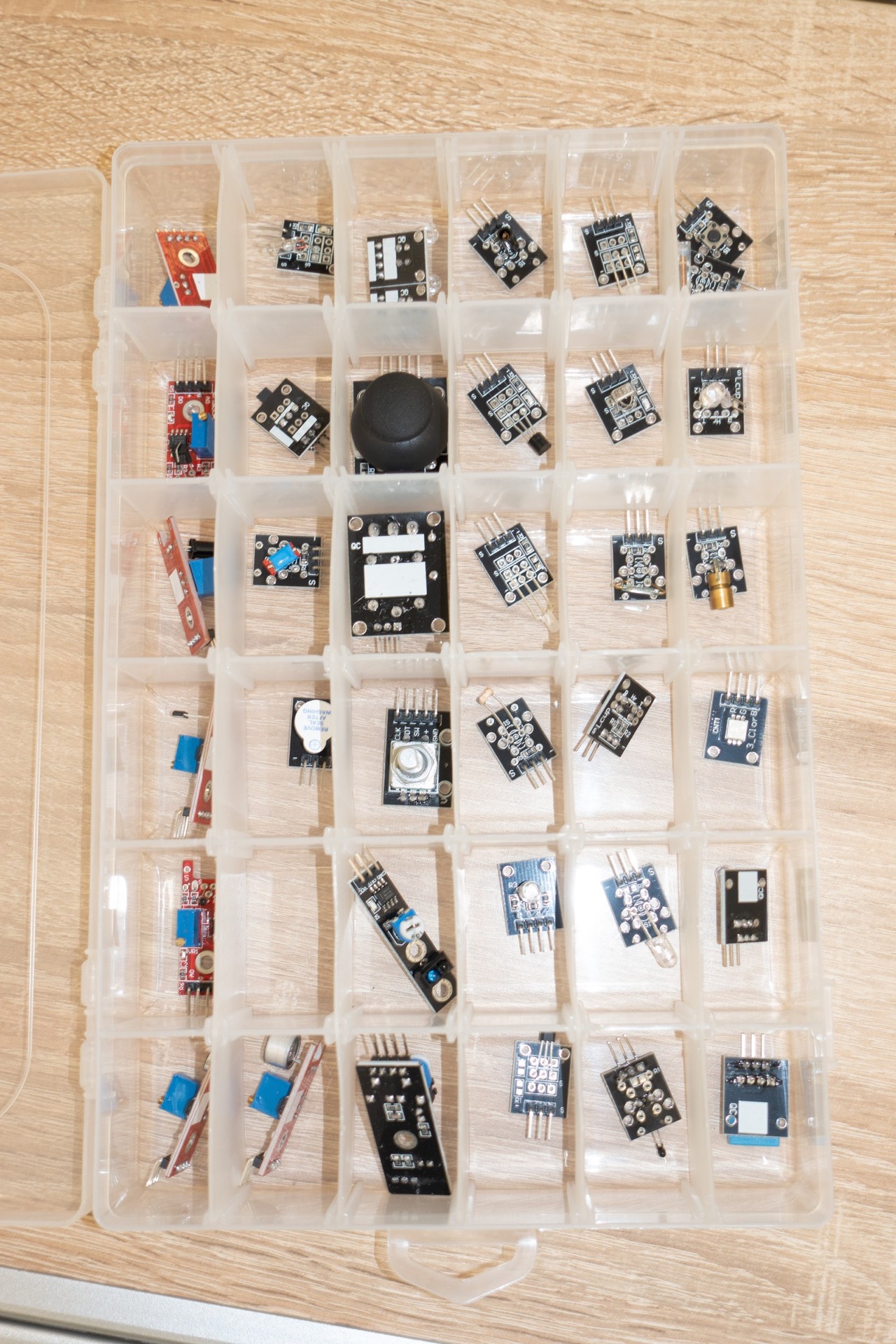
Code Club × Yeongwon, Seoul · 27 July and 3 August 2026. See the eight experiments.
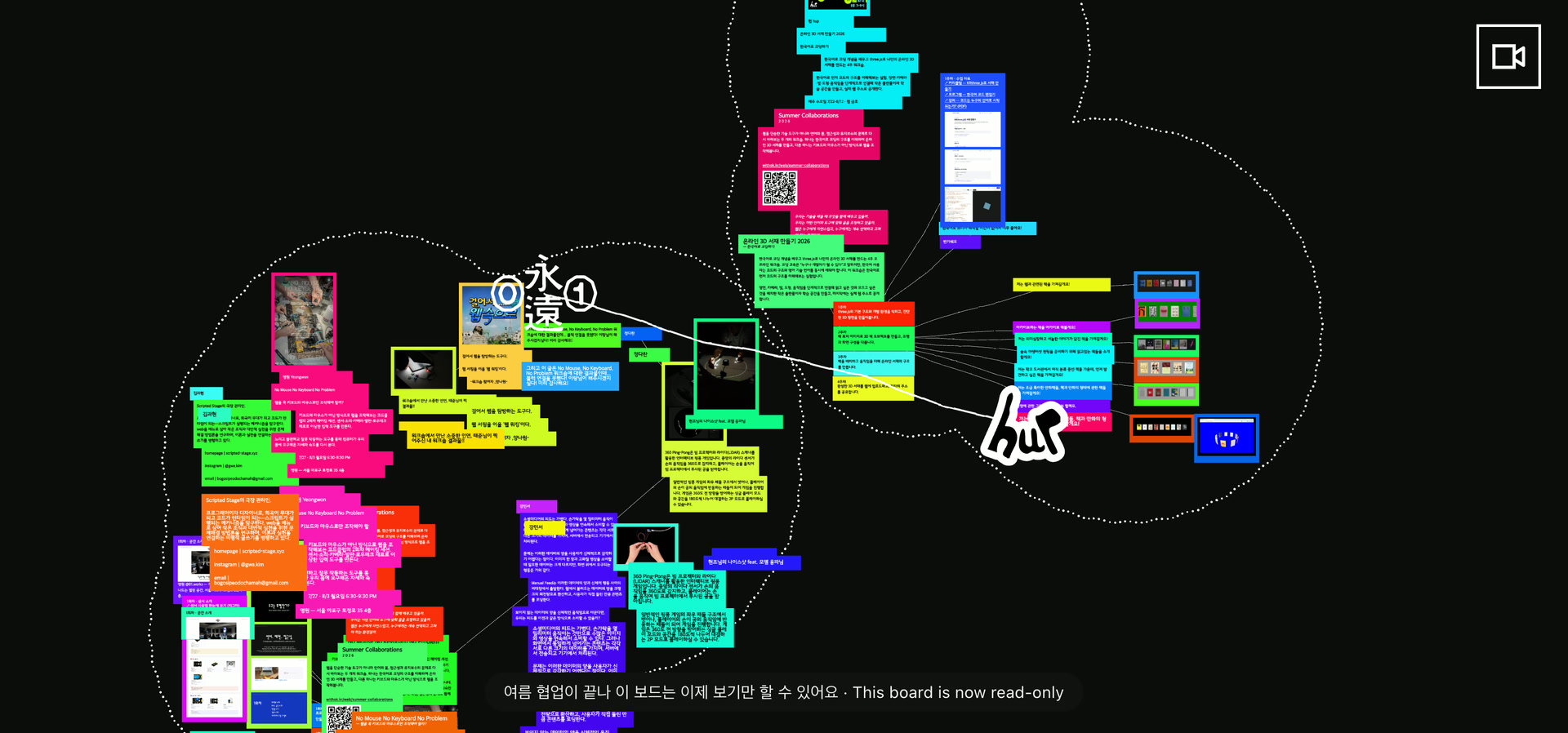
Both workshops met on one web board, Summer Collaborations. Workshop outlines, weekly plans, participants’ notes, and their results sit there as coloured blocks that anyone could add, connect, and group. With the summer over, the board is now read-only.
Maintenance runs through both workshops as the work of learning, translating, and adapting. The linked code, workshop materials, and daily logs keep this process available for others to revisit and discuss.
Keep exploring
Workshop materials and daily logs · More work by Yirang Ok · DAE Graduation Show project
Credits: Workshop design, facilitation, and KRthree.js development: Yirang Ok. Documentation support: Dachan. In collaboration with HUP, House Youngwon, and Code Club, with Hwanjun and Jungho as project hosts. The libraries and input devices were made by the workshop participants; individual projects and credits are linked above.